Rishi
Franchise Owner
- Recruitment was paperwork-heavy and manual
- Applicant tracking alone wouldn't justify switching
Applicant tracking alone would not be enough to justify switching.
I designed BrightHR’s recruitment platform from zero to a high-frequency, embedded workflow used by 60K+ users across five international markets.

Figma, GA4, Pendo, Hotjar
6 months
Product Design, Quant/Qual Research
I led discovery to understand how customers managed recruitment in practice. Where workflows break down, and what to prioritise for an MVP. I designed and launched an in-product survey targeting 700+ BrightHR admin users via Hotjar (UK) and Pendo (international markets).
Survey respondents
700+
Managed recruitment manually
60%
No dedicated ATS in use
92%
Hiring shared across roles
63%
Survey Insights
How do you currently manage recruitment? (Q2)
The vast majority were managing hiring entirely through email and spreadsheets — no structured tooling in place.
What is your role in the recruitment process? (Q3)
Recruitment responsibility was distributed — rarely owned by a single function, pointing toward a flexible, multi-role tool.
These are the most representative open ended comments from 346 responses.
"Applicant recruitment platform and tracking from advert to induction, and then a one-click move onto the employee database would be amazing!"
"Track receipt of application, CV, qualifications, met criteria, invite to interview, interview score, references — and then transfer successful candidate data directly into Bright HR."
"A platform applicants can use to apply, upload more than one document, and share with their network via social media."
"Structured process and templates for sifting, selection and grading."
"A tracker that generates reports and statistics, with a time limit on data retention."
"Generic job descriptions. A tracking tool for interview schedules, decline/accept. Somewhere to keep details for future opportunities, then a link to onboarding using those details."
"Generate a link on our website to collect applicants into BrightHR automatically. If they qualify, move them into the employees tab at the touch of a button."
"A dedicated Recruitment section managers can access too — basic details, interview invitation, candidate response, confirmation, and interview schedule."
Key Insights
Artifacts

To deepen understanding, I then ran qualitative user interview sessions, including with Rishi, a franchise owner managing a fast-scaling, high-turnover business. The interviews occured over two weeks with some of the Bright customer advocates.
Key Findings
Rishi
Franchise Owner
Applicant tracking alone would not be enough to justify switching.

Jane
HR Manager
With all that I'd learned up to this point, I ran a small remote prioritisation study in Feb 2022. There were 33 participants across key accounts, advocates and engaged users, this helped me ensure we were tackling the most important things first.
I defined the product as:
Urgent & Important
Not Urgent & Important
Urgent & Not Important
Not Urgent & Not Important
I was the sole designer working with a cross-functional team, I worked closely with front end and back end developers running in two-week delivery cycles. We moved fast. The MVP went from concept to launch in around two to three months, shipping in November 2022. Vacancy tracking let hiring managers create and manage roles, track who owned what and keep tabs on status. Applicant tracking captured candidate data, tracked progression through hiring stages, and gave managers a place to record notes and feedback.
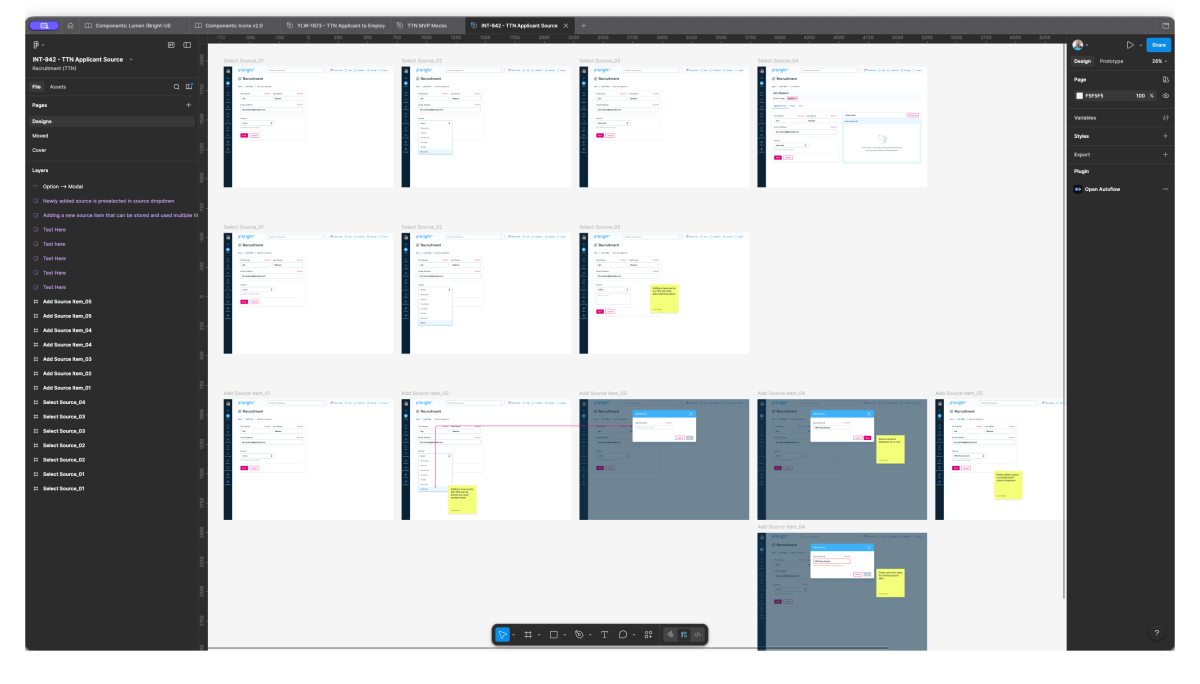
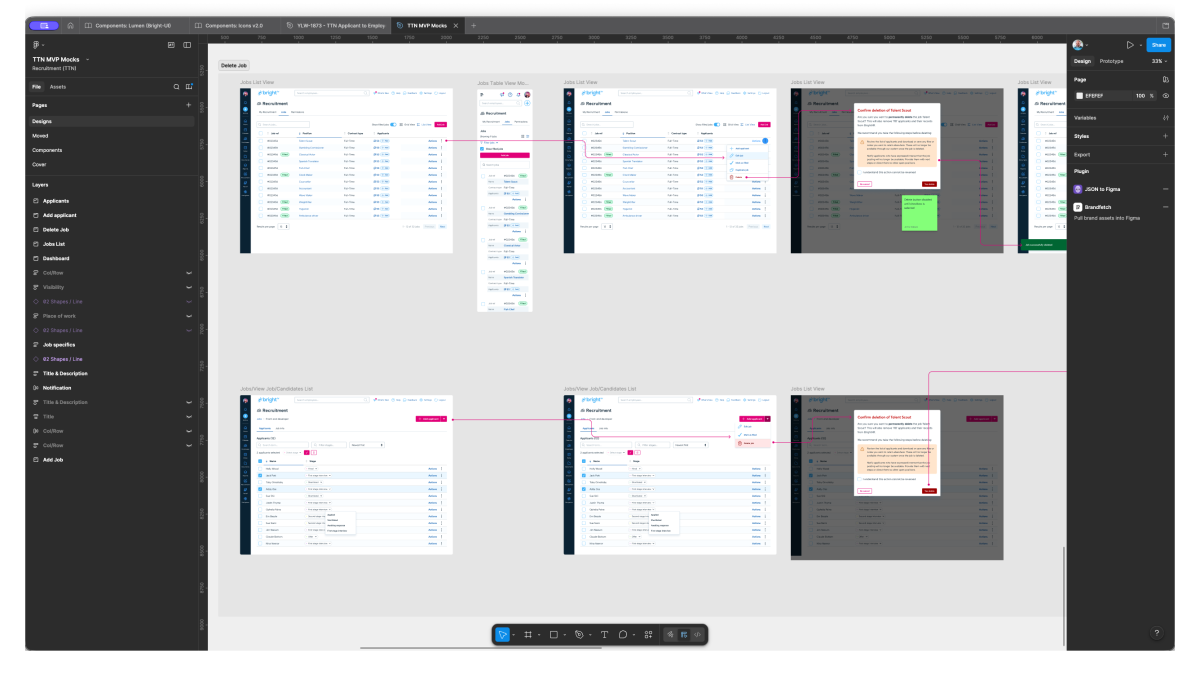
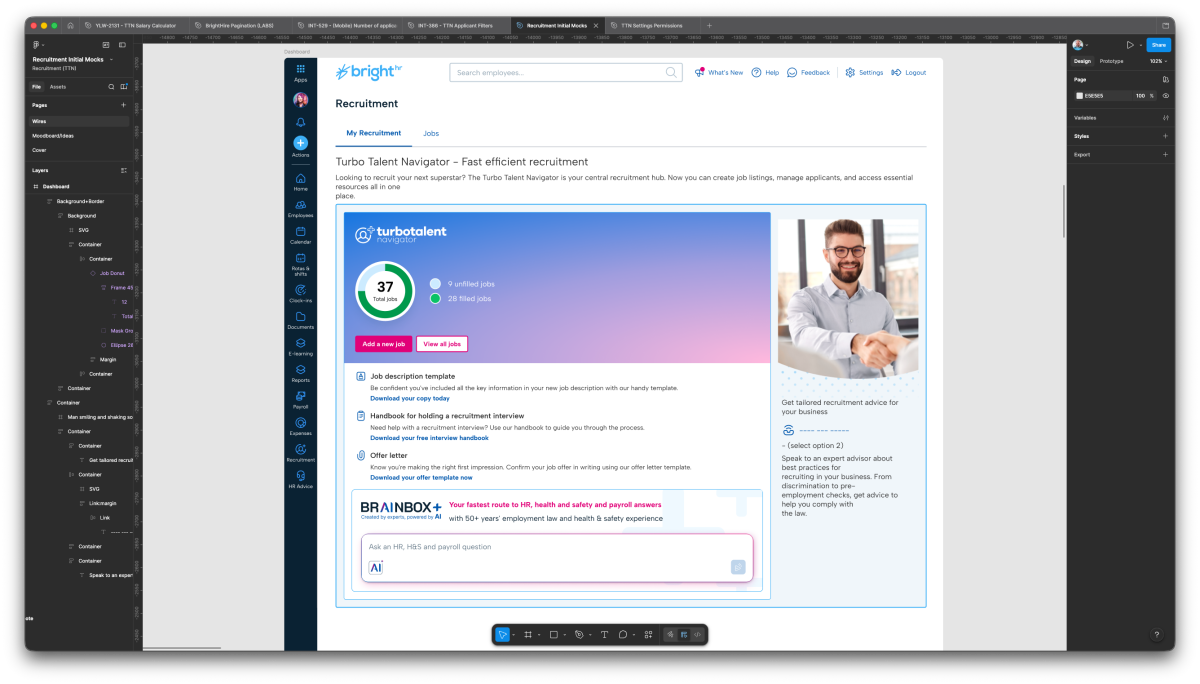
Some features didn’t make the MVP due to gaps in enginneering, but I still designed them and wrote user stories in Jira for future releases.
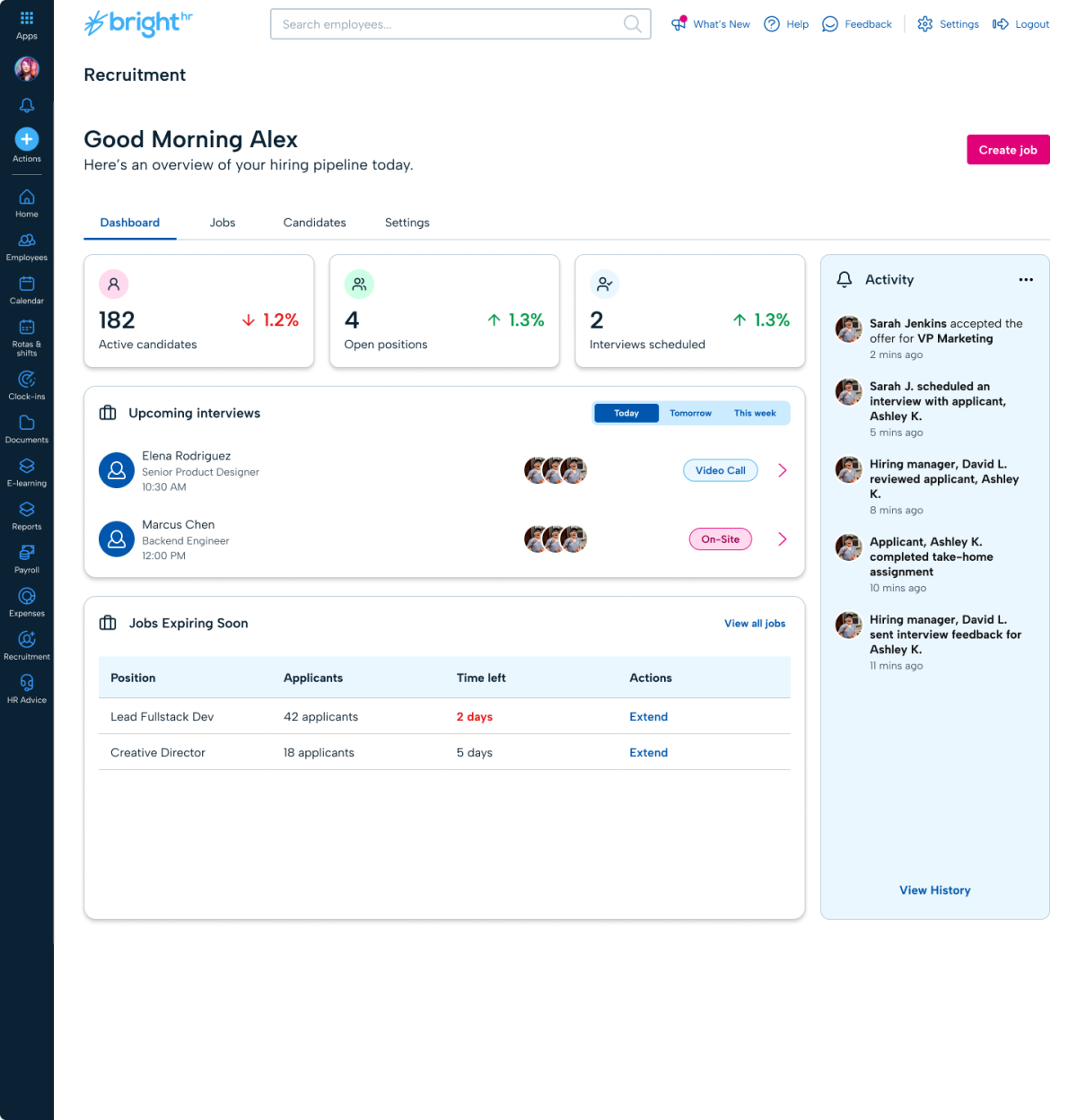


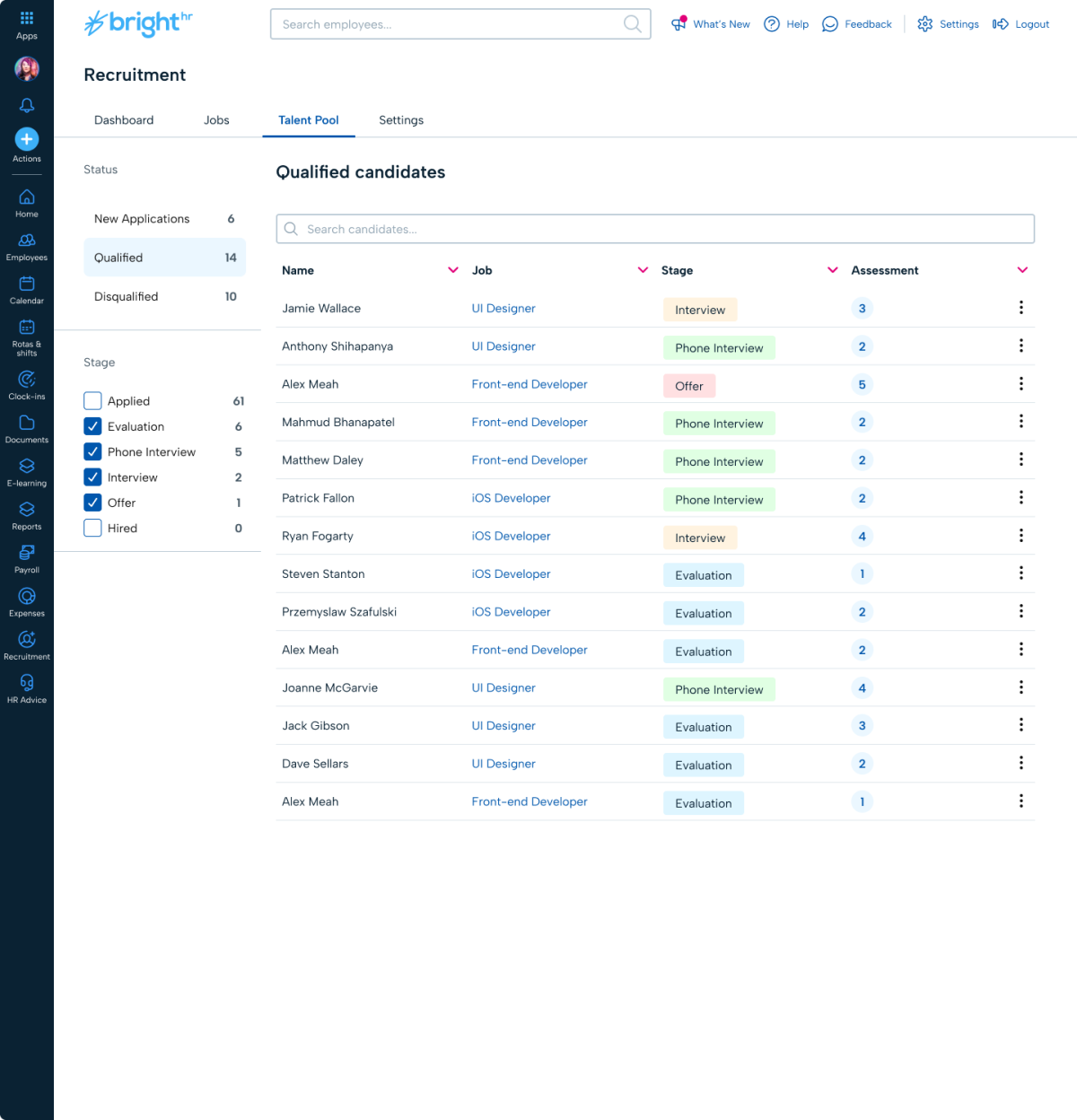


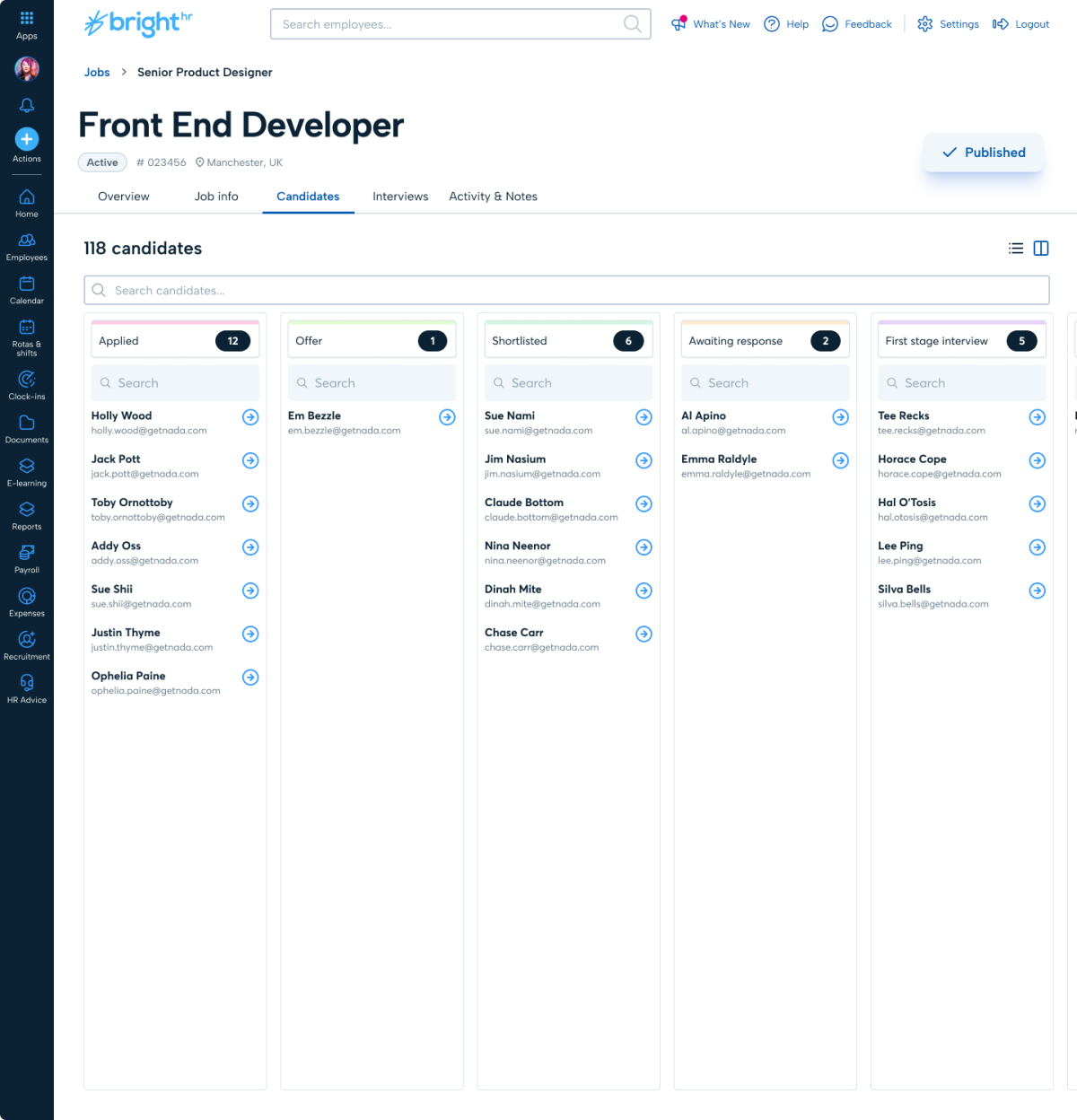


From November 2022 to February 2026, the numbers tell a clear story. Customers are actively using the recruitment feature.
When we launched, BrightHR had roughly 50,000 businesses and 500,000 users. Recruitment achieved broad adoption across that customer base, with high-frequency repeat usage that's been sustained over multiple years. The data shows ongoing pipeline management, real hiring activity, and deep engagement with individual roles.
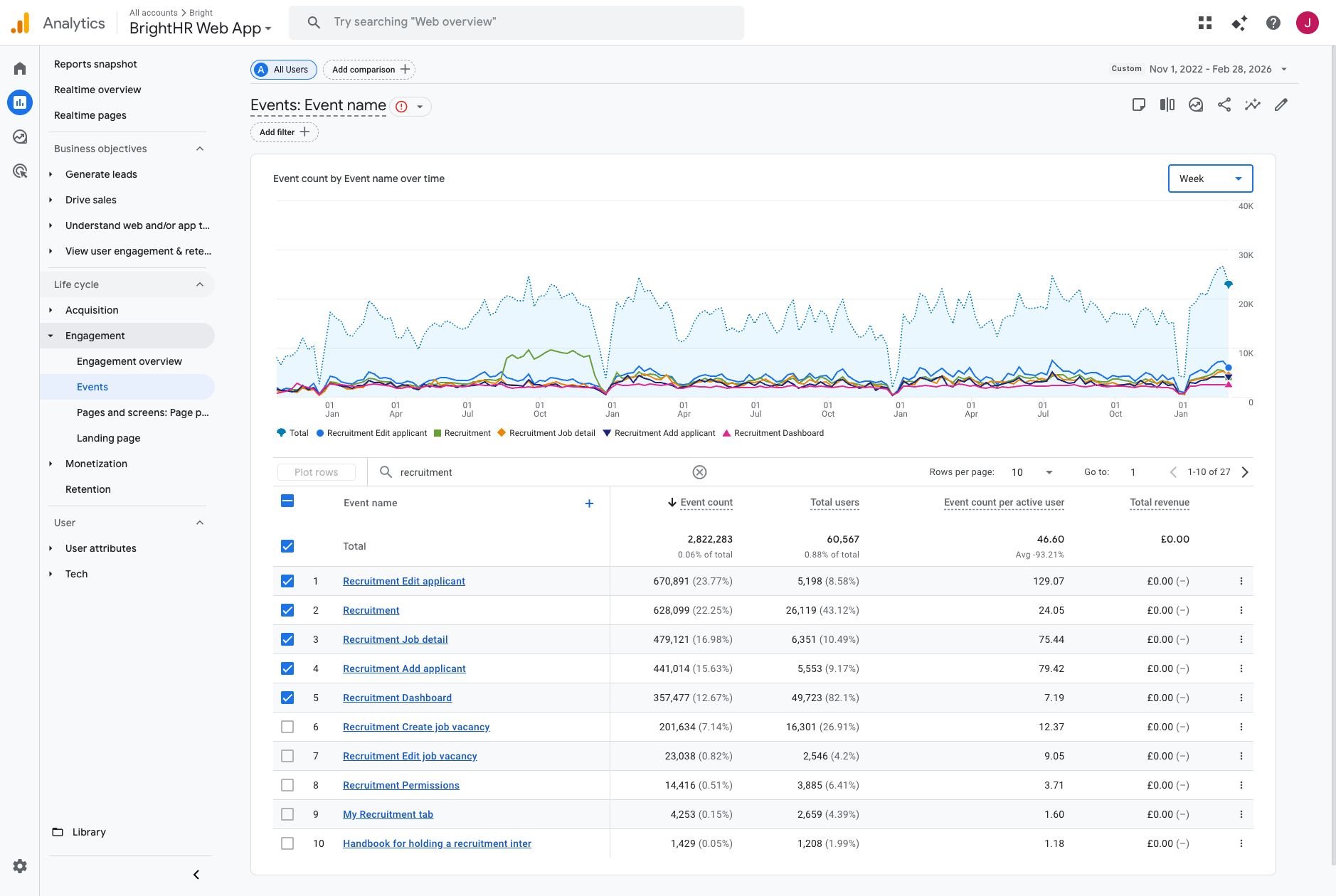
The product did what it needed to do. It closed a competitive gap that was becoming increasingly problematic. It expanded BrightHR's value proposition in a meaningful way. It increased platform engagement and introduced a genuinely new, repeat-use workflow.
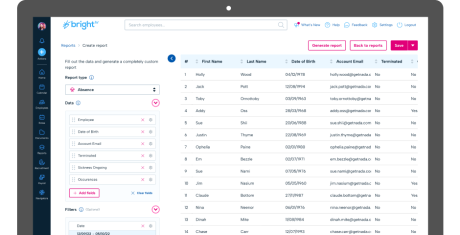
Reporting was basic but functional, giving visibility into hiring activity without overcomplicating things.
But more than any of that, it transformed recruitment from a fragmented, improvised manual process into something structured and embedded. That was the real achievement.
Signing off!
After launch, the work didn't stop. I closely monitored feedback and raised this with the team based on what our customers were actually doing.
The team went through significant turnover during this project. Engineers changed, priorities shifted, and scope was cut back considerably as a result. That kind of churn is invisible in the final product but very visible in the process. Features that were designed and ready got deprioritised not because they weren't right, but because there wasn't the capacity to build them. It was a reminder that good design work doesn't guarantee delivery, the conditions around it matter just as much.
Post-launch interviews with the same customer advocates I'd spoken to during discovery made one thing clear: hiring to onboarding was the feature people wanted almost immediately. They'd adopted the recruitment flow quickly, and the friction of then manually re-entering the same candidate data into BrightHR was immediately obvious to them. I already suspected this would be the case — it came up in discovery — but hearing it confirmed so quickly, and so consistently, validated the sequencing. That connection became the next thing I pushed for.
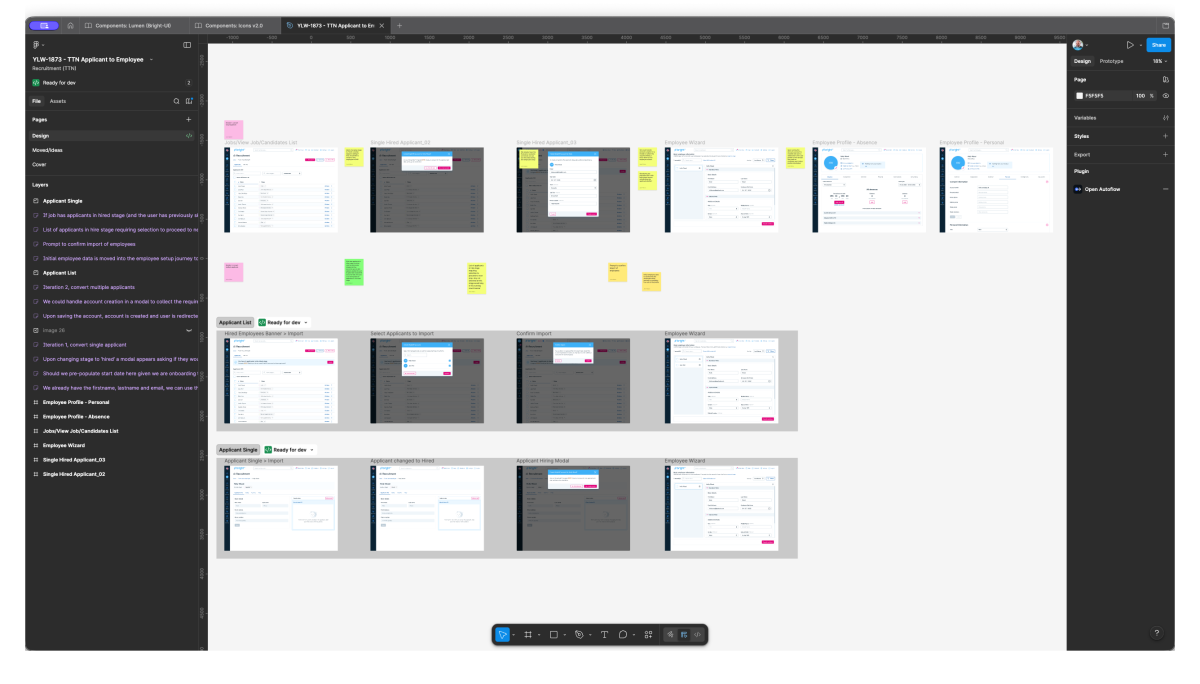
I designed a flow to remove the need for duplicate data entry and connected recruitment straight into onboarding. Recruitment stopped being a standalone feature and became part of the platform itself.
When recruitment first launched in 2022, AI tooling wasn't really viable yet. By 2025, that changed. The ecosystem had matured enough that real opportunities existed to make existing workflows genuinely better.
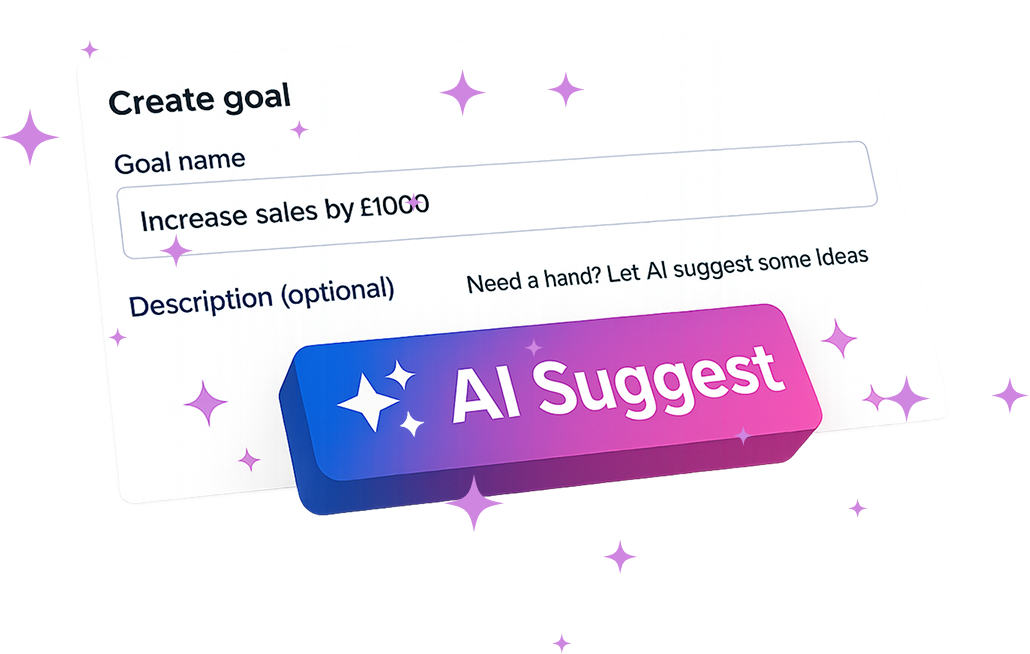
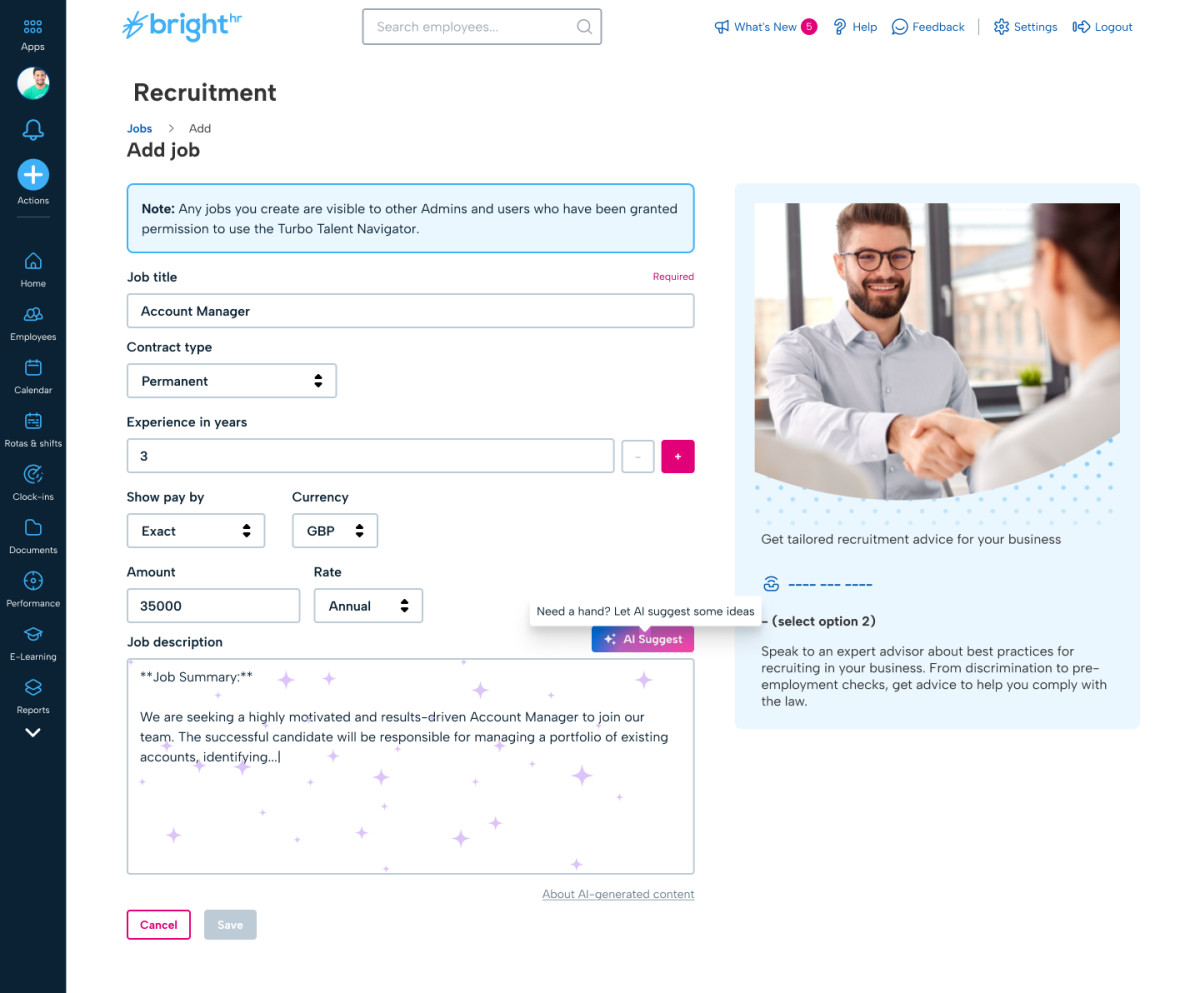
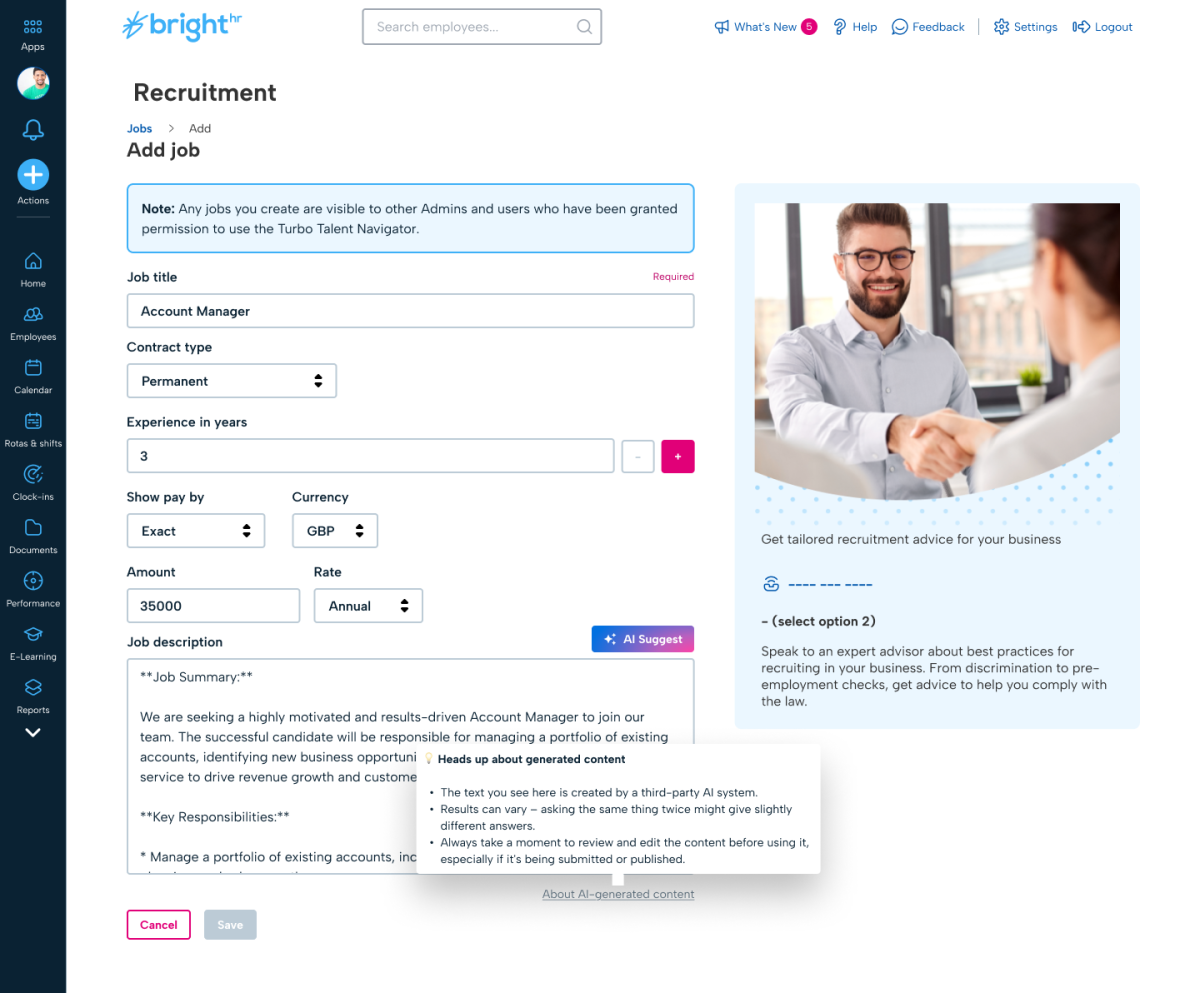
I designed and built a proof of concept for AI-assisted job description generation and integrated it directly into job creation. The goal wasn't to add AI for the sake of it. It was to augment something people were already doing frequently, and make it faster and better.
This became one of BrightHR's first AI-powered features. Within six months, it generated over 6,000 outputs and achieved roughly 50% adoption within job creation workflows.
What that proved was simple: AI can enhance speed and quality without adding complexity, as long as it's integrated thoughtfully into existing patterns.
This project is password-protected. Enter the password to view.